
Shedding—also known as ecdysis—is a completely natural and essential part of a reptile's life. It’s how they grow, replace old skin, and keep their outer layer healthy. While it’s a routine process, it can sometimes cause concern for keepers if things don’t go quite right. This guide will walk you through what to expect during shedding, how to spot potential problems, and how to help your hognose snake (or other reptiles) shed safely and successfully.
Reptiles don’t grow the same way mammals do. Instead of their skin stretching to fit their body, they outgrow it. When that happens, a new layer forms underneath the old one, and the outer skin is eventually shed.
In western hognose snakes, young individuals will shed frequently—sometimes every few weeks—since they’re growing rapidly. Adults, on the other hand, may shed only a few times a year. Shedding frequency depends on age, diet, environment, and overall health.
Before shedding, you’ll likely notice changes in your snake’s appearance and behavior. Their colors may dull, and their eyes often turn cloudy or bluish. This happens because fluid is building up between the old and new skin layers to help separate them. During this phase, your hognose may refuse food and spend more time hiding.
When it’s time to shed, your snake will usually rub against rough surfaces in the enclosure—like branches, hides, or rocks—to loosen and peel off the old skin. In healthy western hognose snakes, the skin typically comes off in one long, inside-out piece, including the eye caps (also called spectacles).
After the old skin is shed, the new skin is revealed, often more vibrant and healthy-looking. During this time, reptiles may be particularly sensitive and should be handled with care to avoid stressing or injuring their delicate new skin.
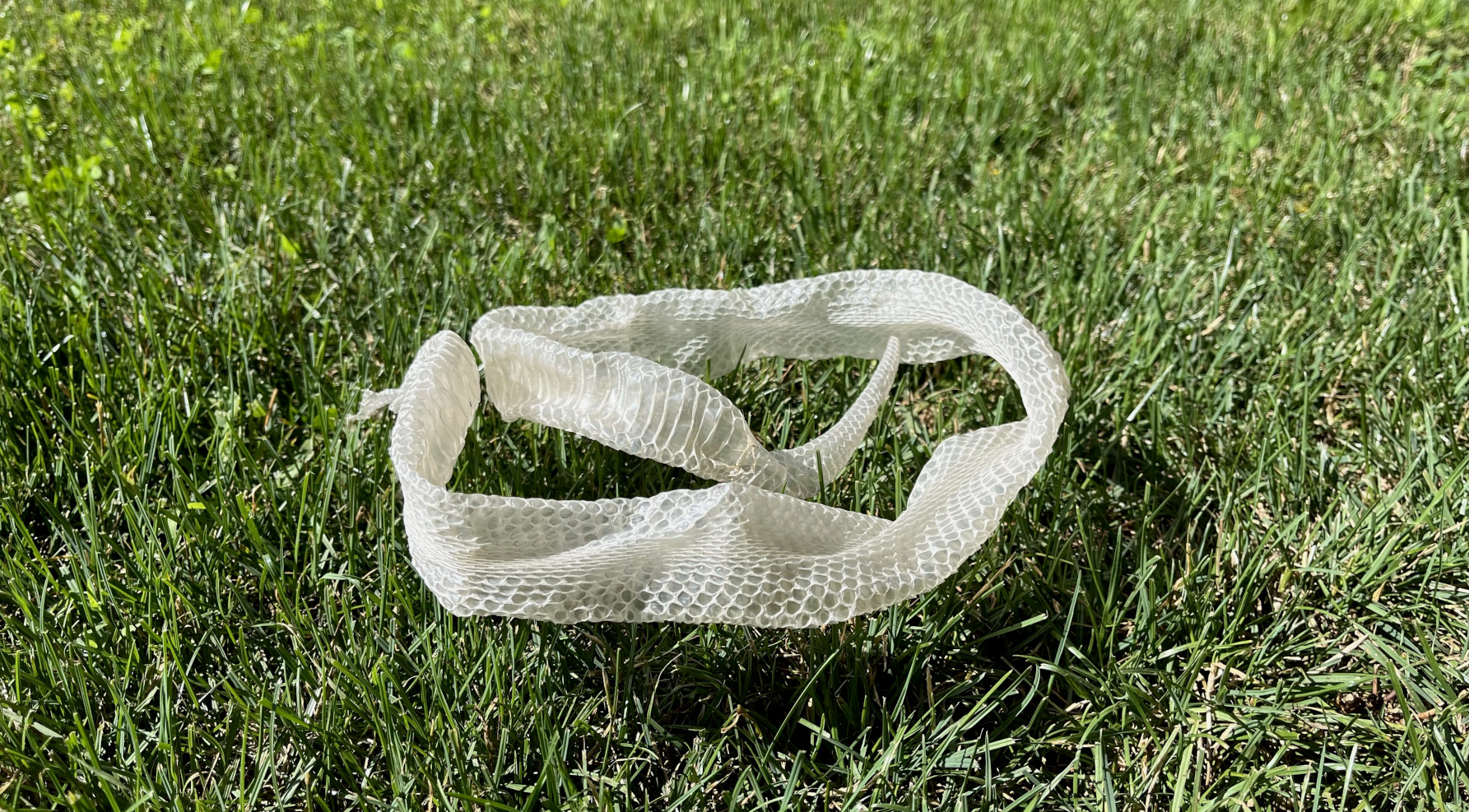
While shedding is natural, it doesn’t always go perfectly. Incomplete sheds, known as dysecdysis, can cause real problems:
Several key factors can influence how well your hognose snake sheds:
Proper humidity is one of the biggest factors in a successful shed. Hognose snakes are native to relatively dry environments, but they still need a humidity bump during shedding. If the air is too dry, the skin may come off in patches or not at all. Keep a hygrometer in the enclosure, and when your snake is in shed, lightly mist the enclosure once or twice a day to raise the humidity just enough to help.
A well-hydrated snake is more likely to shed smoothly. Always provide clean, fresh water, and make sure your hognose is drinking. Some keepers offer a shallow dish for soaking, especially during the pre-shed phase, but not all hognoses will take advantage of it.
A balanced diet plays a surprisingly big role in skin health. Nutritional deficiencies, especially in vitamin A and calcium, can contribute to poor sheds. Make sure your feeding schedule and prey size are appropriate for your snake’s age and size.
Your snake’s environment should support natural behaviors, including rubbing against surfaces to help remove old skin. Provide textured décor like cork bark, climbing branches, or rough rocks. A humid hide can also be useful during shedding—just line it with damp sphagnum moss or paper towel and place it on the warmer side of the enclosure.
Here are some practical ways to support your hognose snake through a successful shed:
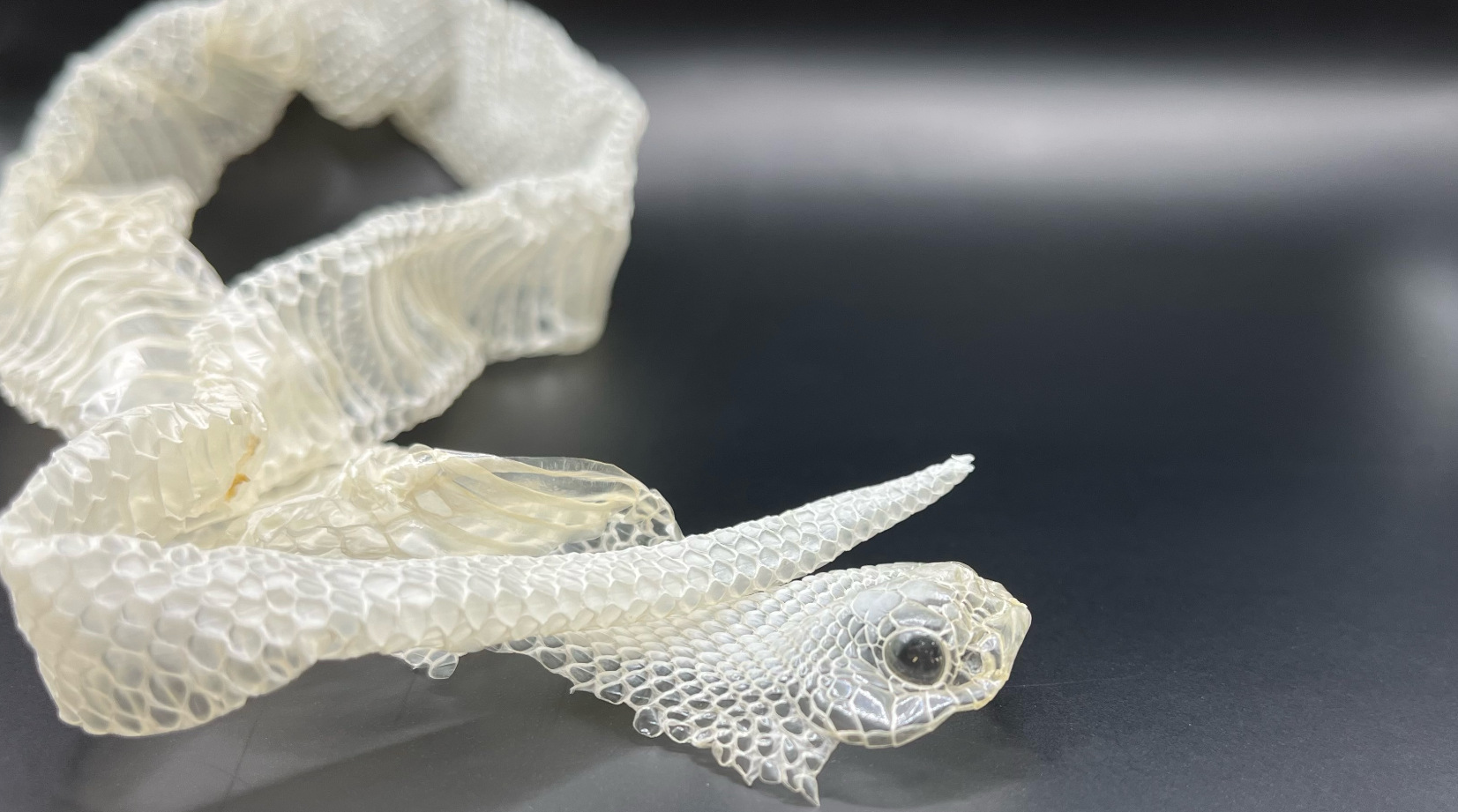
If your hognose is consistently having incomplete sheds, it’s usually a sign that something in the husbandry needs adjusting. Common culprits include:
Occasional shedding issues aren’t unusual, but frequent or severe problems should prompt a closer look at your care setup.
Shedding is one of the most visible indicators of your hognose snake’s overall health. With the right conditions—proper humidity, hydration, diet, and a good enclosure setup—most snakes will shed cleanly and without issue.
As keepers, it’s our job to notice the signs, respond to their needs, and intervene only when necessary. A smooth shed not only keeps your hognose looking sharp but also ensures they feel their best and continue to thrive under your care.

No Comment! Be the first one.